Our publications

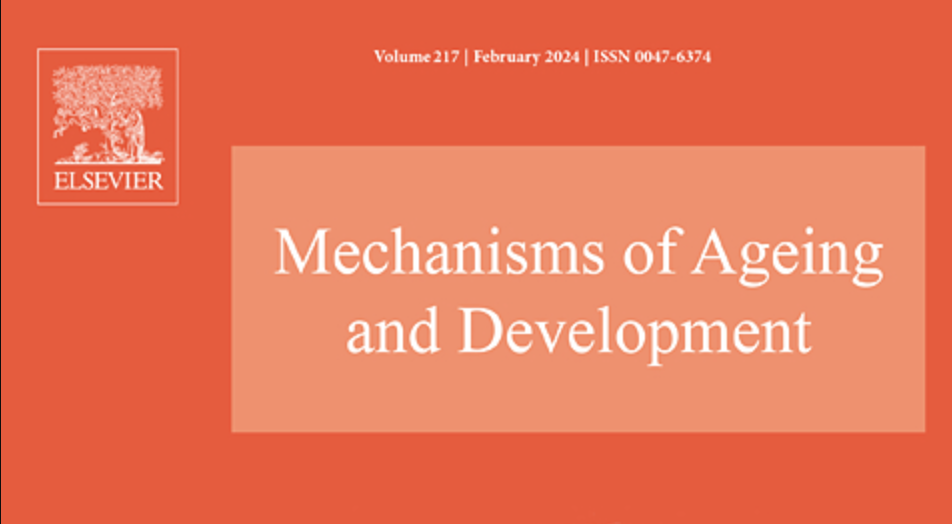
Homeostasis of carbohydrates and reactive oxygen species is critically changed in the brain of middle-aged mice: Molecular mechanisms and functional reasons

By researches

The brain is an organ that consumes a lot of energy. In the brain, energy is required for synaptic transmission, numerous biosynthetic processes and axonal transport in neurons, and for many supportive functions of glial cells. The main source of energy in the brain is glucose and to a lesser extent lactate and ketone bodies

Read More

Chili-supplemented food decreases glutathione-S-transferase activity in Drosophila melanogaster females without a change in other parameters of antioxidant system

By researches

Many plant-derived anti-aging preparations influence antioxidant defense system. Consumption of food supplemented with chili pepper powder was found to extend lifespan in the fruit fly, Drosophila melanogaster. The present study aimed to test a connection between life-extending effect of chili powder and antioxidant defense system of D. melanogaster

Read More

High fat high fructose diet induces mild oxidative stress and reorganizes intermediary metabolism in male mouse liver: Alpha-ketoglutarate effects

By researches

Diets rich in fats and/or carbohydrates are used to study obesity and related metabolic complications. We studied the effects of a high fat high fructose diet (HFFD) on intermediary metabolism and the development of oxidative stress in mouse liver and tested the ability of alpha-ketoglutarate to prevent HFFD-induced changes.

Read More

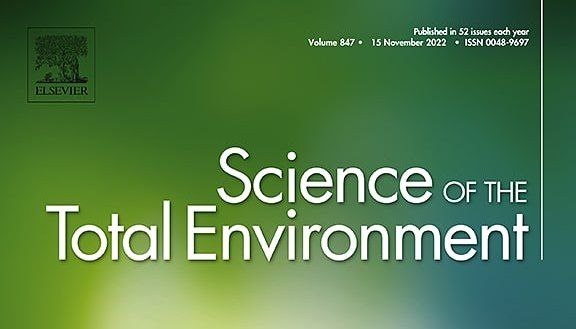
Toxic effects and mechanisms of common pesticides (Roundup and chlorpyrifos) and their mixtures in a zebrafish model (Danio rerio)

By researches

Agrochemicals can adversely affect biodiversity, environment and human health, and commonly occur in mixtures with poorly characterized toxic mechanisms and health hazards. Here, we evaluated the individual and mixture toxicities of Roundup and chlorpyrifos in environmentally relevant concentrations to zebrafish using molecular and biochemical indices.

Read More

Evaluation of biological effects of graphene oxide using Drosophila

By researches

Graphene and its derivatives have attracted great interest because of their intriguing physical and chemical properties. An increasing phase of commercial production causes the presence of graphene in the environment and might pose a great threat to a widerange of living organisms, including bacteria, viruses, plants, invertebrates and mammals, including humans.

Read More